BJCPRO · blog.silverFoxArticle

Silver Fox: a sharper betting count for players who outgrew the basics

A balanced level‑1 system with a slightly more betting-focused feel than Hi-Lo, often discussed as a practical step up for serious shoe players.

Silver Fox is not mainstream in the way Hi-Lo is, but it has a loyal following because it keeps the tags simple while pushing more weight toward betting accuracy in shoe games.

Read the guidePractice Silver Fox

Quick answer and positioning

Silver Fox is a balanced, level‑1 system. It suits players who already have a stable basic counting workflow and want a system that still feels operationally light.

Who should use it, and who should not

Use this section as the fast decision layer before you dive into the count map and betting interpretation.

  • Difficulty: Low-intermediate.
  • Good fit: Players who want more nuance than Hi-Lo without jumping into a true multi-level count.
  • Usually not ideal for: Absolute beginners or players who still drop the count under table pace.
  • Prerequisites: True-count conversion, bankroll discipline, and solid table selection.

History and origin

Silver Fox is associated with Ralph Stricker and described in The Silver Fox Blackjack System. It developed a reputation as a practical, proprietary count for players who wanted a stronger betting read without the mental overhead of a level‑2 or level‑3 system.

  • Associated name: Ralph Stricker.
  • Reference text: The Silver Fox Blackjack System.
  • Historical niche: Proprietary but respected among serious counters.
  • Why players liked it: Cleaner workflow than many stronger counts, with credible betting power.

How the count works

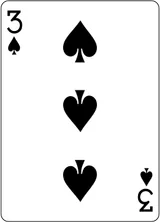
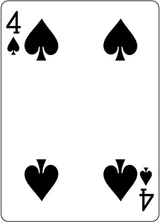
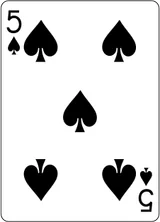
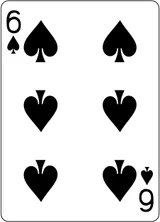
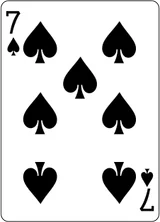
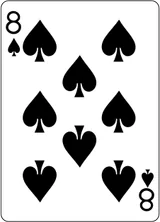
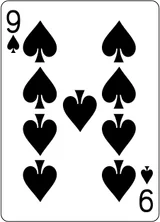
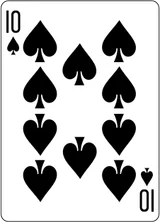
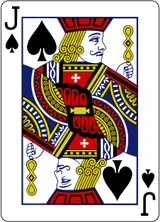
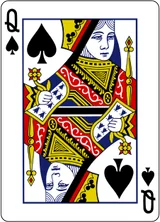
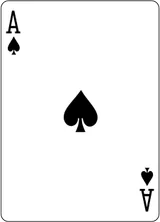
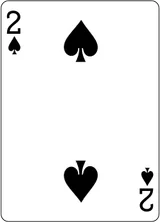
Silver Fox keeps the arithmetic approachable: 2 through 7 are +1, the 8 is neutral, and 9 through Ace are −1. Because it is balanced, you still convert to true count before making meaningful betting decisions.

Card-value map
Cards 2–7+1
Card 80
9, 10s, and Aces−1

True Count = Running Count ÷ decks remaining.

Interactive widget
Adjust the count to see its effect

True Count: 3.00

Interactive widget
Illustrative example

Illustrative example

Example: a running count of +6 with about 3 decks remaining gives a true count near +2. That is the kind of zone where modest increases begin to make sense, provided the shoe still has enough rounds left.

Betting interpretation

When it usually makes sense to raise

  • TC +1: often still a cautious zone, especially in mediocre games.
  • TC +2: common point for the first meaningful increase above minimum.
  • TC +3 and above: stronger spread territory when penetration and rules are worth the risk.

When to stay at table minimum

Stay small when the true count is flat or negative, when only a few rounds remain before the shuffle, or when the game is too crowded to convert your edge into enough playable hands.

When to reduce exposure or change tables

Cut exposure when penetration shortens, the table fills up, your count quality drops, or the shoe stays weak long enough that the time value of remaining seated no longer makes sense.

Thresholds are illustrative. Your betting ramp still depends on decks, rules, penetration, bankroll, and how aggressively you actually spread.

Best use cases

  • Best for shoe players who want a balanced count with slightly more betting emphasis than Hi-Lo.
  • Useful for counters who are comfortable with true count but do not want a heavy multi-level load.
  • Less compelling if your goal is maximum published index support across books and software.
  • In BJCPRO, Silver Fox makes sense after Hi-Lo when you want to compare similar operational loads with different tag structure.

Pros, limits, and common mistakes

Pros

  • Simple tags and manageable pace.
  • Balanced structure keeps the betting language familiar.
  • Good compromise between accessibility and sharper betting feel.

Limits

  • Smaller ecosystem than Hi-Lo.
  • Less useful if you depend on broad published index support.
  • Can feel redundant if you already run Hi-Lo very well.

Common mistakes and what to learn next

  • Treating it like Hi-Lo without recalibrating your betting ramp.
  • Opening up in thin +1 spots.
  • Ignoring table speed and penetration because the tags feel easy.
  • Best next system after Silver Fox: Hi-Opt I if you want a more technical ace-neutral path.
Verified resources

References

  • Ralph Stricker. The Silver Fox Blackjack System.
  • Norm Wattenberger, QFIT. Silver Fox – Card Counting Strategy.
  • Michael Dalton, The Encyclopedia of Blackjack / Blackjack Review references on Ralph Stricker.
BJCPRO

Practice this system in BJCPRO

No broken video embeds

Use BJCPRO to compare Silver Fox directly against Hi-Lo on the same table setup. That is more useful than an embedded video because you can feel the workload difference in live repetition.

Practice Silver FoxCompare it with Hi-Opt I